What to Ask a Custom Home Builder: 15 Essential Questions
By Sarah Mitchell · Published · 4 min read
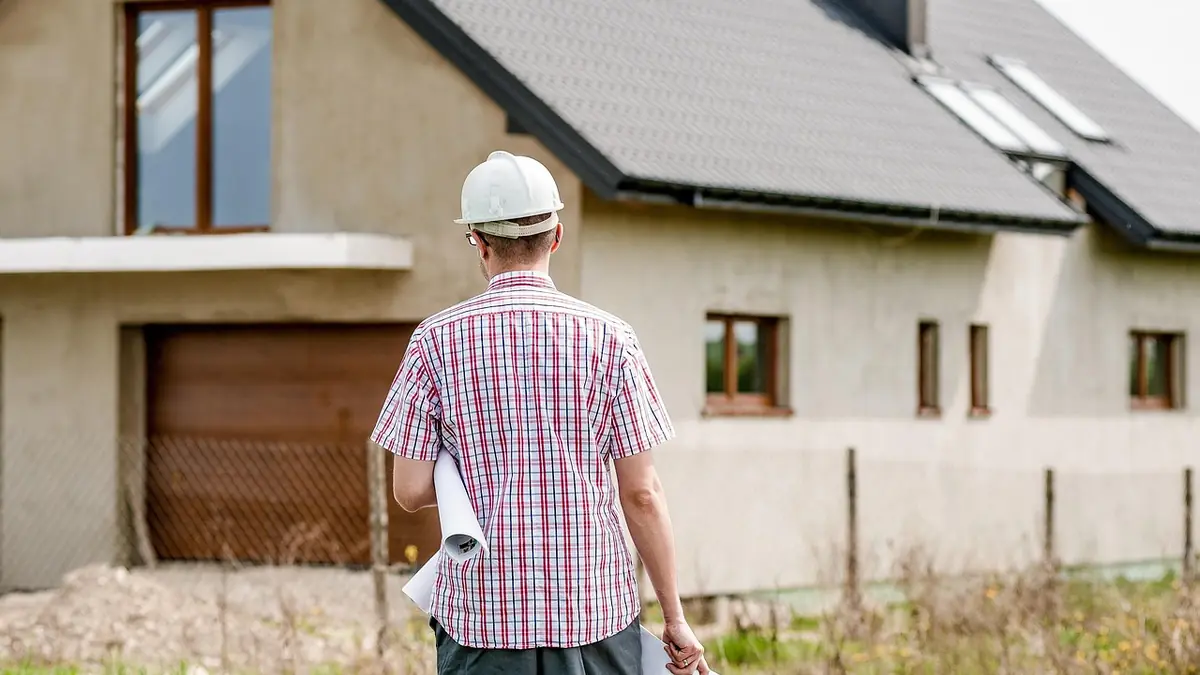
Hiring a custom home builder is one of the largest financial commitments most people ever make. The difference between a smooth build and a nightmare often comes down to what you ask—and verify—before signing. Builders expect informed clients, and the right ones will welcome detailed questions.
This guide covers 15 essential questions organized by theme: experience, process, money, and communication. Use it as a checklist during interviews, and don't be afraid to ask for documentation. A builder who hesitates on basics is a red flag.
Experience and Track Record
Start with how long the company has been building and how many homes it completes annually. A builder doing 20–50 homes a year has systems in place but may not offer the hands-on attention of a smaller firm. Ask for a list of completed projects from the last three years and drive by them. Look at how the homes are aging—siding, rooflines, drainage—not just curb appeal.
Ask specifically about experience with your home style and site conditions. A builder who excels at suburban tract homes may struggle with a steep lot, historic district, or high-performance envelope. Request references from clients whose projects resembled yours in scope and complexity. Then call those references and ask what went wrong, not just what went right.
- Years in business and annual home volume
- Three recent projects you can visit
- Experience with your architectural style and site challenges
- References from clients with similar budgets
Licensing, Insurance, and Contracts
Verify the builder's license or registration with your state or local authority, and confirm insurance coverage. Ask for a certificate of general liability insurance and workers' compensation. If subcontractors aren't covered, you could be exposed. The contract should spell out scope, allowances, change-order procedures, payment schedule, and dispute resolution. Never sign a contract with blank allowances or vague language like 'builder-grade' without specifications.
Ask whether the builder uses AIA-style contracts or their own. Either is fine if it's clear and fair. Have a construction attorney review it. Pay attention to the payment schedule: front-loaded deposits (more than 10–15% before work starts) are risky. Progress payments should tie to completed milestones, and final payment should be held until punch list and final inspections are done.
- Current license and insurance certificates
- Sample contract with clear allowances and change-order terms
- Payment schedule tied to milestones
- Who holds permits and handles inspections
Budget and Cost Control
Ask how the builder estimates costs and what contingency they recommend. Custom builds typically carry a 10–15% contingency; complex sites or high-end finishes may need 20%. Request a detailed line-item budget rather than a lump sum. That lets you see where money goes and make trade-offs. Ask what happens if material prices rise mid-build—who absorbs the increase?
Clarify how allowances work. Builders often set allowances for lighting, tile, and plumbing fixtures. If you exceed them, you pay the difference plus markup. Ask for typical allowance amounts and markup percentages. Also ask for a list of standard inclusions and exclusions so you can compare bids fairly. The lowest bid is often the one with the most exclusions.
- Contingency percentage and who controls it
- Line-item budget vs. lump sum
- Allowance amounts and markup on overages
- Process for material price increases
Timeline and Schedule
Ask for a realistic timeline with milestones, not just a completion date. A 3,000-square-foot custom home typically takes 10–14 months from permit to move-in, depending on complexity and weather. Ask how many other projects the builder will run simultaneously during your build. Too many concurrent jobs can stretch supervision thin.
Ask what happens if permits are delayed or weather stalls work. Who is responsible for delays, and are there penalties or extensions? Get the schedule in writing with key dates: foundation, framing, dry-in, rough-ins, and final inspections. A builder who won't commit to a schedule in writing is a risk.
- Written schedule with milestones
- Number of concurrent projects
- Delay responsibility and weather allowances
- Lead times for key materials
Communication and Site Management
Ask who your main point of contact will be and how often you'll get updates. Weekly email updates with photos are common; some builders use client portals. Ask how change orders are communicated and approved—verbally or in writing? Everything should be in writing, including texts summarized into formal change orders.
Ask who supervises the site daily and whether the builder uses subcontractors or employees. Ask how site security and cleanliness are handled. Visit an active job site: Is it organized? Are workers following safety protocols? A messy site often signals a messy process. Also ask about access for you to visit and when.
- Main contact and update frequency
- Change-order approval process
- Daily site supervision
- Job site safety and cleanliness
| Category | Essential Question | What to Look For | Red Flag |
|---|---|---|---|
| Experience | How many homes like mine have you built? | 3+ similar projects with references | Vague answers or no references |
| Insurance | Can I see your liability and workers' comp certificates? | Current certificates naming you as additional insured | Expired or missing coverage |
| Budget | What contingency do you recommend? | 10–15% (20% for complex builds) | No contingency or 'we never need it' |
| Schedule | Can I see a milestone schedule? | Written schedule with dates | Only a completion date |
| Communication | How often will I get updates? | Weekly written updates with photos | No defined process |
| Warranty | What's covered and for how long? | 1-year workmanship, 10-year structural | Verbal promises only |
Warranties and Post-Completion Service
Ask for a written warranty. A standard builder warranty is one year on workmanship, with manufacturer warranties on materials and systems. Some builders offer 2–10 years on structural elements. Ask what's covered, what's excluded, and how claims are handled. Get the warranty document before signing the contract.
Ask about the punch list process and who handles warranty calls after move-in. Is there a dedicated service person? What's the response time? Also ask if the builder provides a homeowner manual with maintenance schedules and subcontractor contacts. Good builders stand behind their work and make it easy to get help.
- Written workmanship and structural warranty
- Punch list and closeout process
- Warranty response time and contact
- Homeowner manual and as-built drawings
Design Flexibility and Customization
Ask how much customization is included in the base price and what triggers extra fees. Some builders allow minor plan changes; others charge for any deviation. Ask whether you can bring your own architect or designer, and how the builder collaborates with them. If you're remodeling rather than building new, the questions shift—see our detailed breakdown of a 10x10 kitchen remodel cost and small kitchen remodel ideas for 10x10 layouts for budget-specific guidance.
Ask about finish selections: How many options are included, and when must you decide? Delays in selections can stall the schedule and trigger change orders. A builder with a clear selections process and a designer on staff can save you time and stress. For a broader view of what to expect from builders in one market, see Custom Home Builders in Texas: How to Choose and What to Expect.
- Customization included vs. extra
- Collaboration with your architect
- Selections deadline and options
- Designer or selections coordinator on staff
- Ask for proof: licenses, insurance, references, and a written schedule and warranty.
- Get a line-item budget with clear allowances and a 10–15% contingency.
- Confirm who supervises daily and how change orders are approved in writing.
- Visit active job sites and call references—ask what went wrong, not just what went right.
Sarah has spent over a decade writing about home design and renovation trends. She focuses on practical advice for homeowners planning kitchen and bath remodels, with a keen eye for budget-friendly solutions. Her work helps readers navigate the many choices in modern home improvement.